
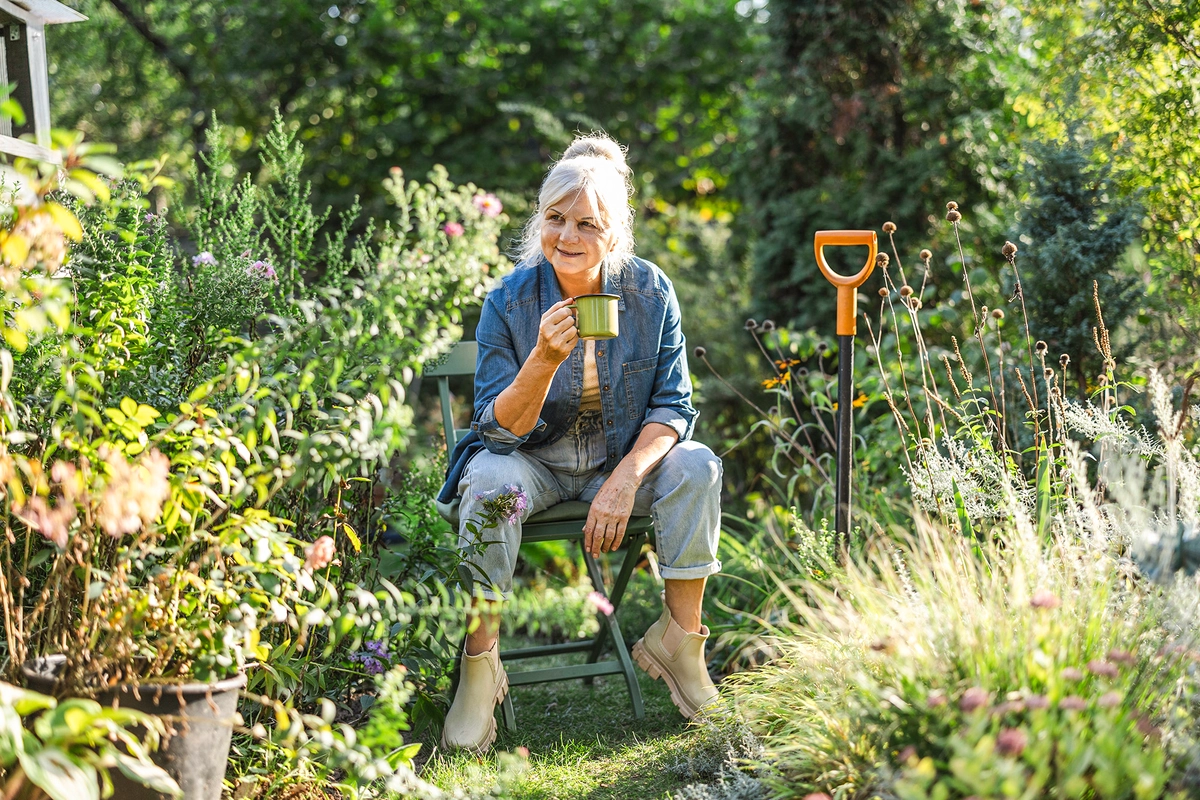
June is the official start of summer this year, but you will be able to find new discoveries in the garden throughout the entire month. Many regions of North America are seeing lush greenery and colorful blooms, sprouting summer seeds, hot weather transplants ready to be planted, and some veggies and greens that are already giving generous harvests. It’s a gardener’s dream season.
However, at the same time, the rising temperatures mean increased watering, weeds having growth spurts, and bugs beginning to arrive in force. Although the coming weeks can put even the savviest horticultural skills to the test, doing these simple chores now will give the garden, and the gardener, a distinct advantage.
Mulch, Mulch, Mulch
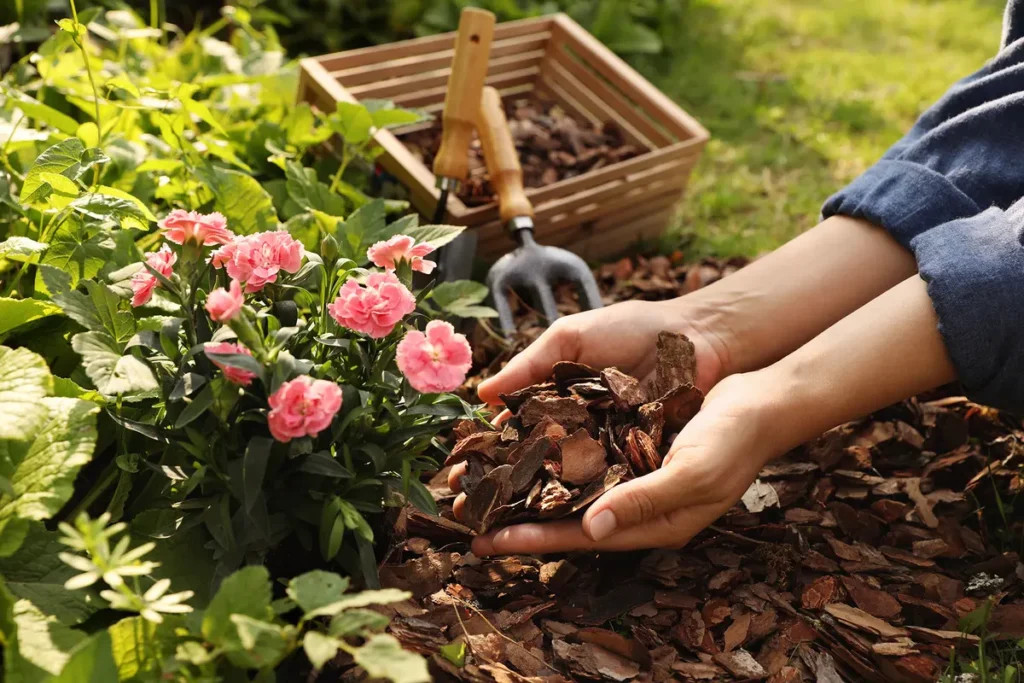
Apply long lasting, weed suppressing, soil enriching, moisture conserving organic wood chips, hardwood mulch, or pine needles around flowering plants, ornamentals, shrubs, and trees. The goal is a two to three inch layer, with a two to three inch gap around the plant stem or tree trunk to avoid creating an area conducive to fungus, bacteria, and rot.
The best mulches for vegetable gardens are two to three inches of homemade compost, straw, or shredded leaves.
Fertilizer Facts
For many regions, June is the last chance to fertilize shrubs and trees, since fertilizing in July can cause vulnerable new growth that may not have sufficient time to harden off before the first frosts arrive.
The Supportive Gardener
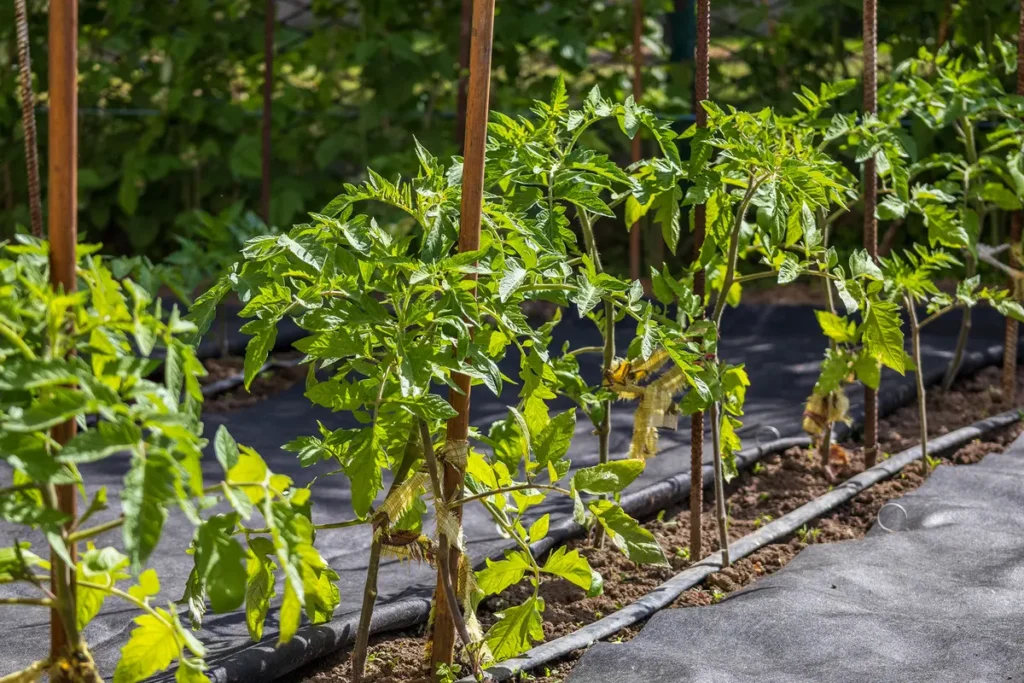
Tall flowering perennials and many veggies that grow more than two feet tall on a thin stem will benefit from proper staking. Typical options include bamboo, metal, and wood stakes, plant rings, hoops, tomato cages, and trellises. Now’s the time to install them securely before the plants grown any taller.
Tactical Trims
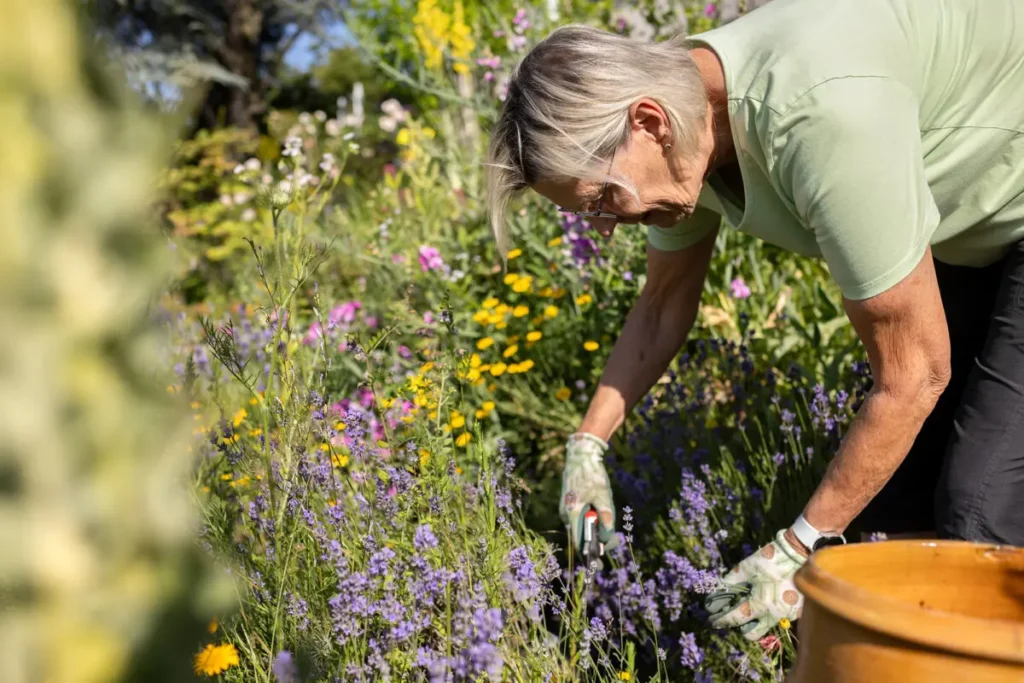
Prune azaleas, forsythia, and rhododendrons as soon as they have finished blooming. Wait too long and there’s a risk of accidentally removing next year’s buds. Lilacs should be deadheaded. Give lavender a light trim. Climbing roses should be deadheaded and given a light shaping.
The best time to water is early – 5 a.m. to 9 a.m. – so it can soak in. The second choice is in the late afternoon or early evening to reduce the risk of wet feet and leaves overnight. Ideally always water at the base of plants, not from overhead, which can lead to fungal and bacterial problems on the leaves.
Now put on some zen music and brew an herbal iced tea, then get out there before or after the high heat of the day to inspect the garden – particularly veggies – daily.



Leave a Reply