
Lawns are much more than just pretty patches of grass. They allow you to connect with nature, enjoy some physical activity and fresh air, and foster a sense of pride and community. They can also be a lot of work.
The Good and Bad of Snow
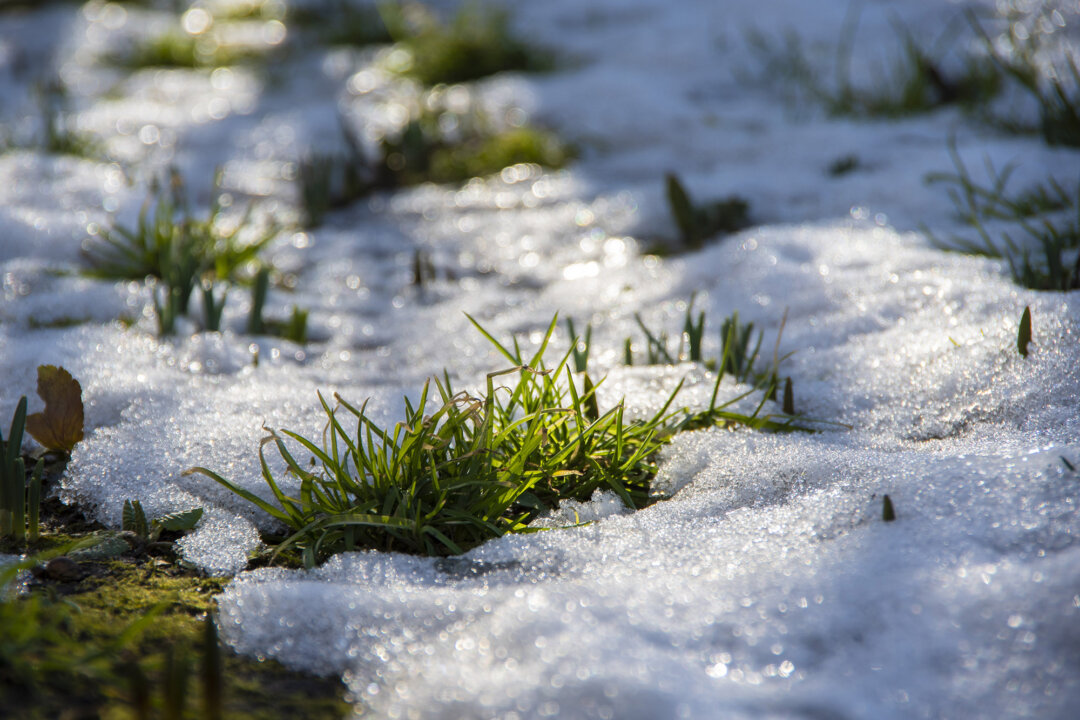
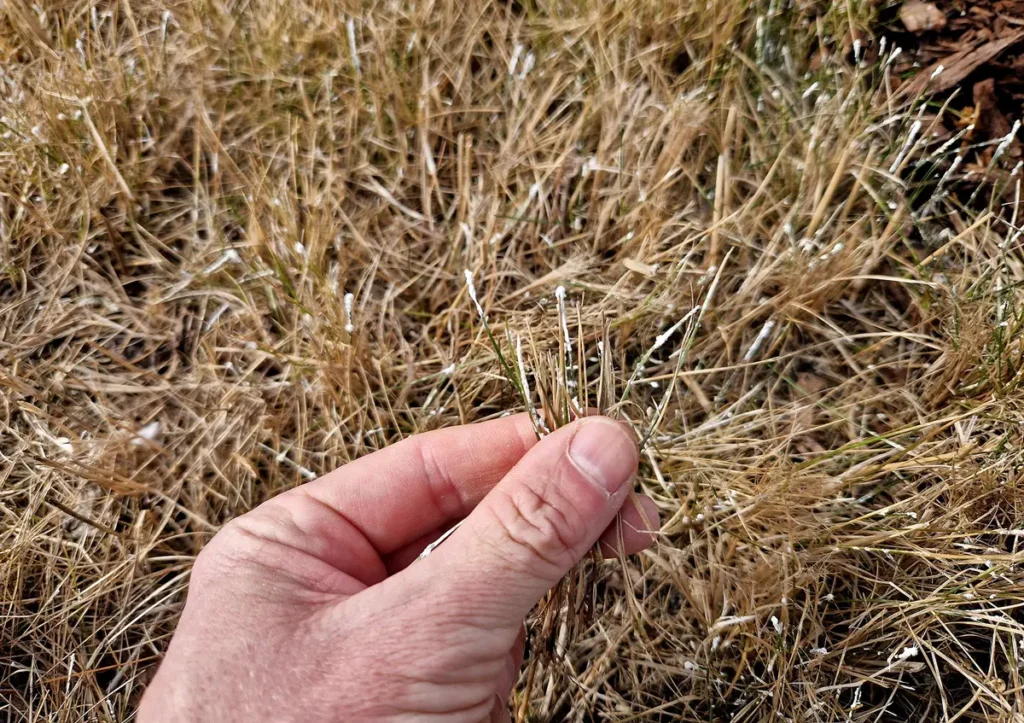
Snow insulates grass by keeping the soil warmer and protecting its roots and crowns from freezing winds. It also helps prevent early seed germination on those unexpectedly warm days in winter. Plus, snow is a source of slow-drip irrigation and atmospheric nitrogen. On the downside, snow can play host to snow mold. However, the higher temperatures of early-to-mid-spring will cause the fungi to die off. Snow mold appears as circular, matted areas of discolored grass.
Ice Alerts
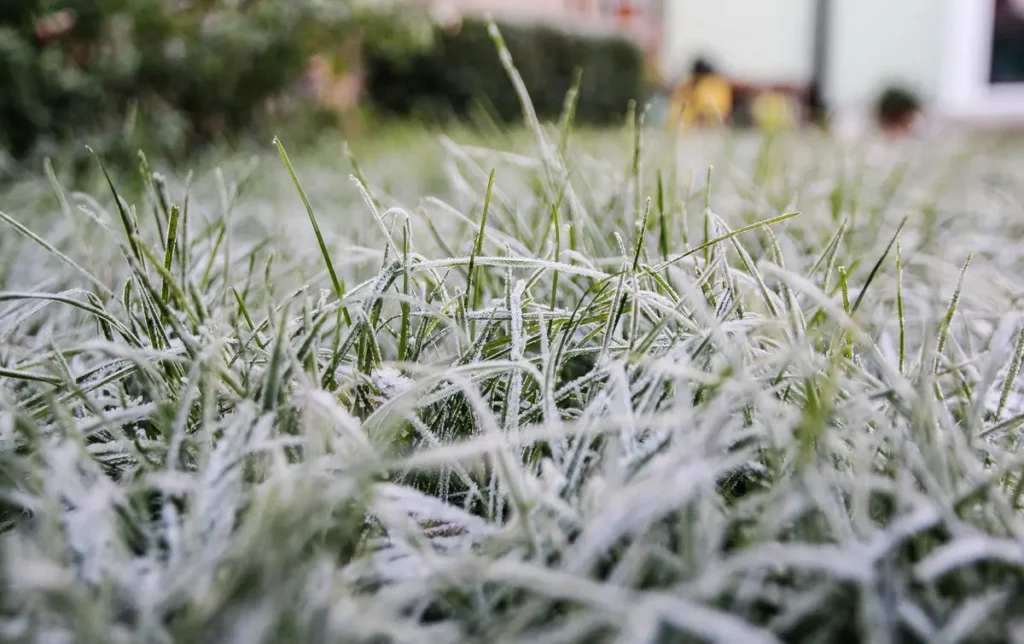
Freeze thaw cycles can quickly turn snow into ice, particularly in low spots, which can suffocate the dormant grass. Don’t remove it. This will expose the grass to winter winds and arctic temperatures. This could cause the lawn to dry out. Next fall, consider top-dressing the lawn with a thin layer of sand.
Clean Walkways
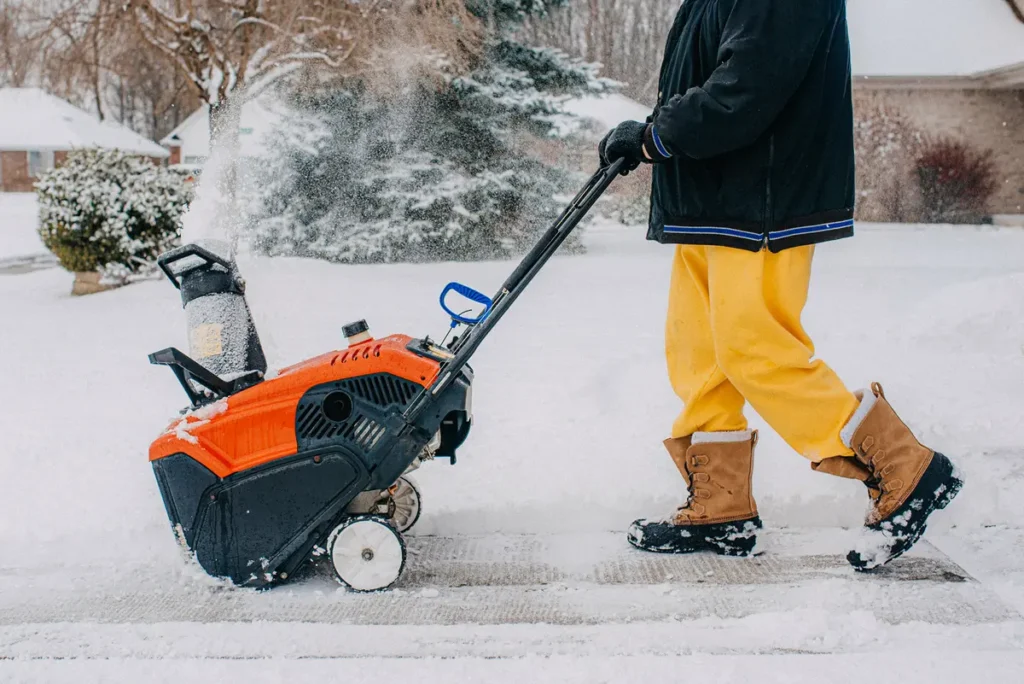
De-icers, used after the snow or ice has formed, and anti-icers, which work proactively, are valuable tools to help keep walkways, driveways, and sidewalks clear to help restore safe traction and mobility. However, de-icers can build up in the soil or draw moisture out of grass leaves and roots, burning them. Use them away from the lawn and use sparingly. Salt- based de-icers can damage nearby grass if overused or allowed to build up in the soil.
Wise Watering
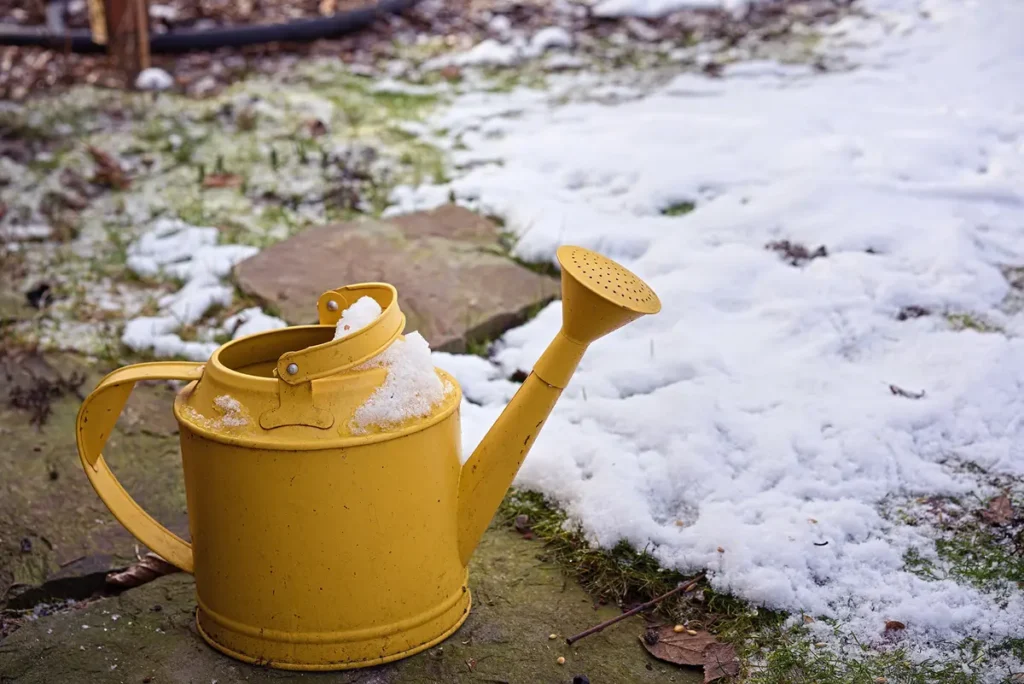
Winter grass may be dormant, but it still needs water. A half inch to an inch, once or twice a month, should be sufficient. Water when the soil is not frozen. Do not overwater. This can lead to snow mold, fungal diseases, and root rot. It may seem counterintuitive, but grass still needs water in the winter.
Frosty Fertilizing
The United States has two main categories of grace. Cool-season grasses cover the top two-thirds of the country. Warm-season grass is found in zone 8 and warmer. Warm season grass will benefit from an application of fertilizer in mid-to-later winter. Opt for a low nitrogen slow release fertilizer. Apply when the temperatures are above 50 degrees two to three inches deep. Cool season lawn owners should also wait until soil temperatures are 50 degrees. You should fertilize with a balanced mix such as 10-10-10 or 20-10-10 which is higher in nitrogen for a burst of green. This is also a good time for a soil conditioner or mechanical aeration. If the lawn is cold, drought stricken or disease or pest stressed, hold off on the fertilizing until the situation is addressed.
Leaving grass clippings on the lawn will help protect the ground from still chilly weather through summer heat and add valuable nutrients back into the soil.



Leave a Reply